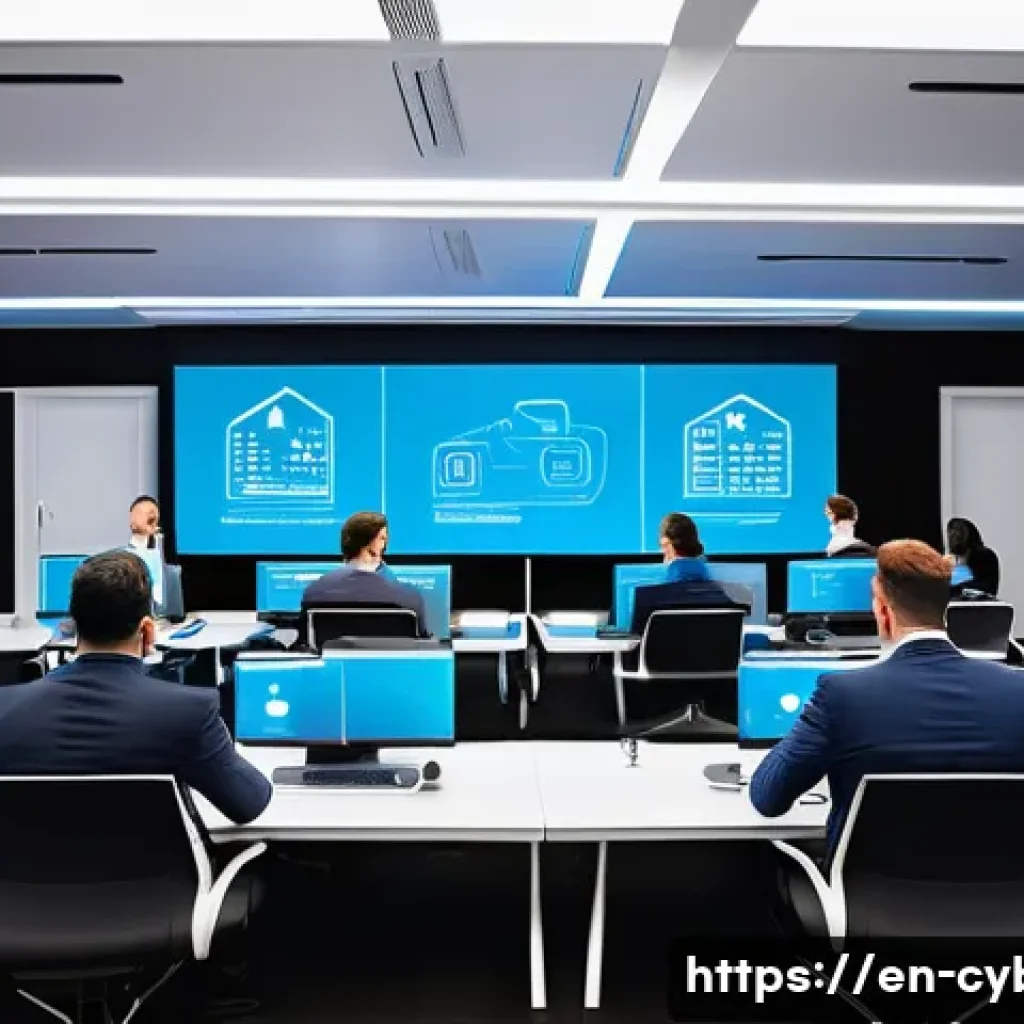
In today’s fast-paced digital world, staying ahead in cybersecurity is more crucial than ever. Conferences and seminars bring together experts, innovators, and enthusiasts to explore the latest threats and breakthrough solutions.
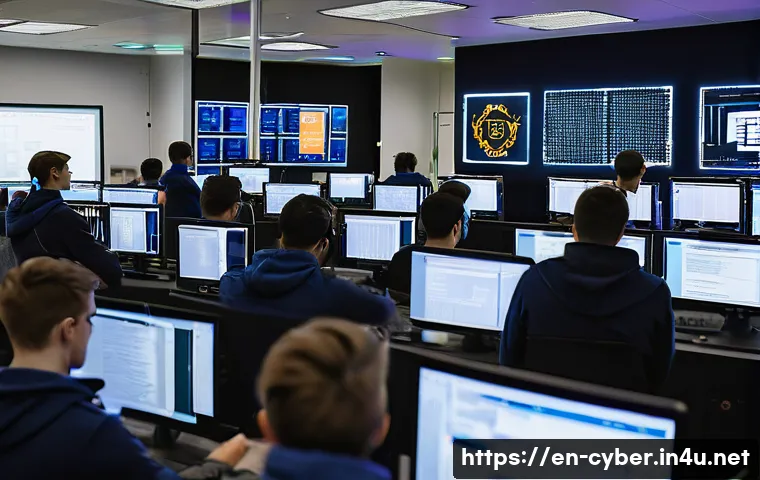
Whether you’re a seasoned professional or just starting out, these events offer invaluable insights and hands-on experiences. Beyond technical talks, they foster meaningful connections and open doors to career growth.
Curious about what’s trending in cybersecurity gatherings this year? Let’s dive deeper and uncover the essentials you need to know!
Emerging Themes Shaping Cybersecurity Events
Zero Trust and Beyond: The New Security Paradigm
The buzz around zero trust architecture has taken center stage at recent cybersecurity gatherings. Unlike traditional perimeter-based defenses, zero trust assumes breach and verifies every access attempt.
What stood out during these discussions was the practical approach speakers took, breaking down how organizations—big and small—can integrate zero trust without drowning in complexity.
I’ve seen firsthand how companies struggle to shift their mindset, and these events offered step-by-step frameworks that helped demystify implementation.
The focus wasn’t just on theory; many sessions showcased real-world case studies, emphasizing continuous monitoring and adaptive security controls that evolve with emerging threats.
Artificial Intelligence: Friend and Foe in Cyber Defense
AI’s role in cybersecurity has become a double-edged sword, a theme that echoed throughout various panels. On one hand, AI-powered tools provide unprecedented capabilities for threat detection, automating responses, and predictive analytics.
On the other hand, adversaries are leveraging AI to craft more sophisticated phishing attacks and evade detection. Presenters shared their experiences deploying AI-driven solutions, highlighting both successes and pitfalls.
I found it particularly insightful how some speakers emphasized the importance of human oversight—reminding us that despite AI’s power, the human element remains critical in interpreting complex scenarios and making ethical decisions.
Cloud Security Challenges and Innovations
With the surge in cloud adoption, discussions naturally gravitated toward securing these dynamic environments. Experts dissected common misconfigurations, insider threats, and the challenges of maintaining visibility across multi-cloud setups.
What resonated with me was the candidness about ongoing struggles, paired with innovative solutions like cloud-native security tools and automated compliance checks.
The sessions went beyond just technology, delving into organizational culture shifts needed to empower teams to adopt secure cloud practices without slowing down development velocity.
Networking Dynamics and Career Growth Opportunities
Building Genuine Connections Beyond Handshakes
One of the most valuable takeaways from these conferences isn’t just the technical content but the networking opportunities that genuinely foster career advancement.
Unlike typical large-scale events where interactions can feel superficial, newer formats emphasize small group discussions, mentorship programs, and informal meetups.
I personally found that these settings encouraged more meaningful conversations, where sharing challenges and strategies felt natural rather than forced.
This atmosphere can open doors to collaborations and job leads that wouldn’t surface otherwise.
Workshops and Hands-On Labs: Learning by Doing
Conferences increasingly incorporate hands-on labs and workshops, which I believe are game changers for skill development. Sitting through lectures is one thing, but actively engaging with tools and scenarios helps solidify knowledge.
For example, I attended a workshop on ransomware response that simulated an attack in real time. The adrenaline rush and immediate feedback made the experience unforgettable, equipping me with practical skills I could apply immediately back at work.
Such immersive formats are becoming a staple, especially for those aiming to deepen their expertise rather than just skim surface topics.
Mentorship Circles and Career Panels
Many events now feature dedicated mentorship circles and career panels where seasoned professionals share candid insights. These sessions often address questions about certifications, career pivots, and balancing technical skills with leadership.
What struck me was the openness—panelists shared their early struggles, mistakes, and the unconventional paths that led to success. For anyone feeling stuck or uncertain about their cybersecurity career trajectory, these discussions provide reassurance and actionable advice from people who’ve been in the trenches.
Cutting-Edge Technologies and Tools Spotlight
Next-Gen Endpoint Protection
Endpoint security remains a hot topic as attackers increasingly target devices outside the traditional network perimeter. Recent showcases featured AI-enhanced endpoint detection and response (EDR) tools that adapt to evolving malware tactics.
Vendors demonstrated how their solutions integrate threat intelligence feeds and behavioral analytics to catch subtle anomalies. From my perspective, the key takeaway was the shift from reactive to proactive defense—tools that not only detect but predict and neutralize threats before damage occurs.
Security Orchestration, Automation, and Response (SOAR)
SOAR platforms are gaining traction for their ability to streamline incident response workflows. Presenters shared compelling stories about reducing response times from hours to minutes by automating repetitive tasks like alert triage and forensic data collection.
I was impressed by the practical demos showing how integrating SOAR with existing SIEMs and ticketing systems creates a cohesive security ecosystem. It’s clear that as threat volumes rise, automation isn’t just a luxury but a necessity to maintain resilience.
Blockchain and Cybersecurity Convergence
An emerging trend discussed was blockchain’s application beyond cryptocurrency, especially in securing data integrity and identity management. Speakers explored use cases such as decentralized identity verification and tamper-proof audit logs.
Although still nascent, these innovations promise new ways to counter fraud and enhance trust in digital transactions. Listening to experts weigh the pros and cons gave me a balanced understanding of blockchain’s potential and its current limitations in cybersecurity.
Global Threat Landscape and Regulatory Insights
Understanding the Latest Cyber Threats
Staying updated on threat actor tactics is essential, and these events deliver deep dives into the latest attack vectors. From supply chain compromises to ransomware-as-a-service models, experts dissected recent incidents with forensic detail.
I appreciated the candid discussions about attribution challenges and how geopolitical tensions influence cybercrime. These insights aren’t just academic—they help security teams anticipate and prepare for what’s next, turning reactive posture into strategic defense.
Compliance and Privacy Regulations Impacting Security
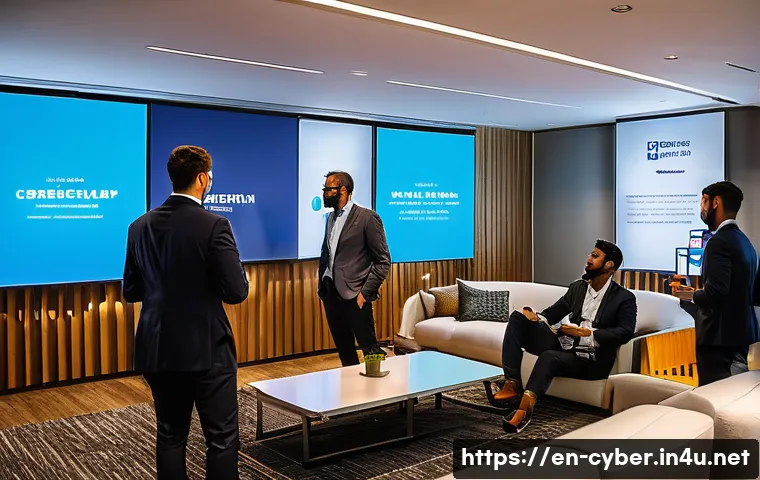
Regulatory changes remain a moving target, and conference sessions often highlight how laws like GDPR, CCPA, and emerging data privacy rules shape security practices.
What resonated with me was the practical guidance on aligning security programs with compliance without becoming bogged down in bureaucracy. Panelists stressed the importance of embedding privacy by design and continuous risk assessment as foundations—not afterthoughts.
For organizations juggling global operations, these insights help balance legal requirements with operational agility.
Cross-Border Collaboration and Information Sharing
Cybersecurity doesn’t respect borders, and many sessions emphasized the growing importance of international cooperation. Speakers shared examples of public-private partnerships and information-sharing alliances that accelerate threat intelligence dissemination.
I found it encouraging that despite political complexities, the cybersecurity community is working to build trust frameworks that enable quicker response to global threats.
This collective defense mindset is crucial as attackers exploit international gaps.
Interactive Learning Formats Revolutionizing Knowledge Sharing
Capture the Flag (CTF) Competitions
CTF events have evolved into vibrant platforms where participants can test skills in realistic scenarios. These competitions aren’t just for experts—they welcome all levels and encourage teamwork, problem-solving, and creativity.
I participated in one last year and found it both challenging and exhilarating. The thrill of uncovering vulnerabilities and the camaraderie among teammates made it a highlight.
Organizers now use CTFs to identify talent and foster community spirit, turning learning into an engaging sport.
Panel Debates and Live Q&A Sessions
Rather than one-way lectures, many conferences now feature live debates and interactive Q&A, which enhance engagement. Hearing experts argue different perspectives—say, on encryption backdoors or ethical hacking—adds depth to understanding.
I’ve noticed that real-time audience participation sparks spontaneous insights and reveals nuances that pre-scripted talks can miss. This dynamic format keeps the content fresh and attendees actively involved.
Virtual and Hybrid Event Innovations
The pandemic accelerated the shift to virtual and hybrid cybersecurity events, and this trend continues to evolve. Organizers have improved platforms to foster networking, breakout sessions, and interactive workshops online.
From personal experience, while nothing fully replaces face-to-face interactions, these formats have broadened access and allowed for more flexible participation.
Features like live polls, chat rooms, and virtual booths create a lively atmosphere that helps maintain attention and connection.
Major Conferences and Their Unique Flavors
| Conference | Focus Areas | Typical Audience | Unique Features |
|---|---|---|---|
| RSA Conference | Enterprise security, cryptography, policy | Security professionals, executives, vendors | Massive expo hall, keynote speakers, innovation sandbox |
| Black Hat | Technical research, offensive security, zero days | Researchers, penetration testers, developers | Hands-on trainings, briefings, hacker village |
| DEF CON | Hacking culture, underground techniques, CTFs | Hackers, enthusiasts, students | Informal vibe, lockpicking, badge hacking |
| BSides | Community-driven topics, emerging threats | Local security communities, beginners | Smaller scale, inclusive environment, open talks |
| Gartner Security & Risk Management Summit | Strategic risk, governance, leadership | CISOs, risk managers, business leaders | Research insights, executive networking, workshops |
Practical Tips for Maximizing Conference Experience
Planning Your Schedule Strategically
With so many sessions running concurrently, it’s easy to feel overwhelmed. I’ve learned that mapping out must-see talks ahead of time and leaving room for spontaneous discoveries creates a balanced agenda.
Prioritize workshops or panels that align with your current challenges or career goals. Also, factor in networking breaks—some of the best learning happens in casual chats over coffee rather than formal presentations.
Engaging Actively with Speakers and Peers
Don’t hesitate to ask questions or share your perspectives during sessions. I’ve found that speakers appreciate engaged audiences, and follow-up conversations can lead to mentorship or collaboration opportunities.
Social media channels, conference apps, and after-hours events provide additional avenues to connect. Being proactive in engagement often distinguishes passive attendees from those who truly benefit.
Leveraging Post-Event Resources
Most conferences now offer recorded sessions, slide decks, and discussion forums after the event. Revisiting these materials helps reinforce learning and catch what you missed.
I usually compile notes and key takeaways into summaries for my team, which boosts knowledge sharing. Additionally, staying connected with contacts made during the event can turn into a continuous professional support network long after the conference ends.
Conclusion
Cybersecurity events today offer a rich blend of innovative ideas, practical skills, and meaningful networking opportunities that are vital for staying ahead in this fast-evolving field. From zero trust adoption to AI-driven defenses, the knowledge shared is both inspiring and actionable. Engaging actively in these conferences can significantly boost your expertise and career growth. Embracing these insights will help you navigate the complex landscape of modern cybersecurity with confidence.
Useful Information to Keep in Mind
1. Plan your conference schedule carefully by prioritizing sessions that align with your current goals and leaving space for unexpected discoveries.
2. Actively engage with speakers and peers during and after sessions to deepen understanding and build valuable professional relationships.
3. Take advantage of hands-on workshops and labs, as practical experience solidifies learning more effectively than passive listening.
4. Utilize post-event resources like recorded talks and forums to reinforce knowledge and stay connected with the community.
5. Pay attention to emerging themes such as AI’s dual role, cloud security challenges, and international collaboration to stay updated on the latest cybersecurity trends.
Key Takeaways
Cybersecurity conferences are essential for gaining real-world insights into evolving threats and defense strategies. Embracing a proactive mindset, such as adopting zero trust and leveraging automation, is crucial for resilience. Networking beyond surface-level interactions can open doors to mentorship and career advancement. Finally, balancing compliance with agility and fostering a culture of continuous learning will empower organizations and individuals to thrive amid growing cyber risks.
Frequently Asked Questions (FAQ) 📖
Q: What are the top cybersecurity conferences to attend this year for professionals looking to stay updated?
A: Some of the most impactful cybersecurity conferences this year include RSA Conference, Black Hat USA, and DEF CON. These events bring together leading experts and offer a blend of deep technical sessions, emerging threat discussions, and hands-on workshops.
From my experience, attending RSA gave me access to cutting-edge research and networking opportunities that directly influenced my work. It’s a great place to learn about the latest trends and meet innovators shaping the industry.
Q: How can beginners benefit from cybersecurity seminars if they lack technical expertise?
A: Beginners can gain a lot from cybersecurity seminars by focusing on foundational sessions designed for newcomers. Many conferences offer beginner-friendly tracks, practical demonstrations, and Q&A panels that break down complex concepts into digestible insights.
When I first started, attending these beginner sessions helped me build confidence and understand the real-world applications of cybersecurity principles.
Plus, interacting with experts in a less intimidating environment accelerates learning and motivation.
Q: Are there opportunities at cybersecurity events to advance one’s career beyond just learning?
A: Absolutely. Cybersecurity events are not just about absorbing information; they’re powerful platforms for career growth. Many conferences host career fairs, mentorship programs, and networking mixers where you can connect with recruiters, industry leaders, and peers.
From personal experience, striking up a casual conversation over coffee at a seminar led me to a job interview and eventually a new role. Building relationships in these settings often opens doors that purely online networking can’t match.